BBC iPlayer Live
Reimagining live events for 21 million people
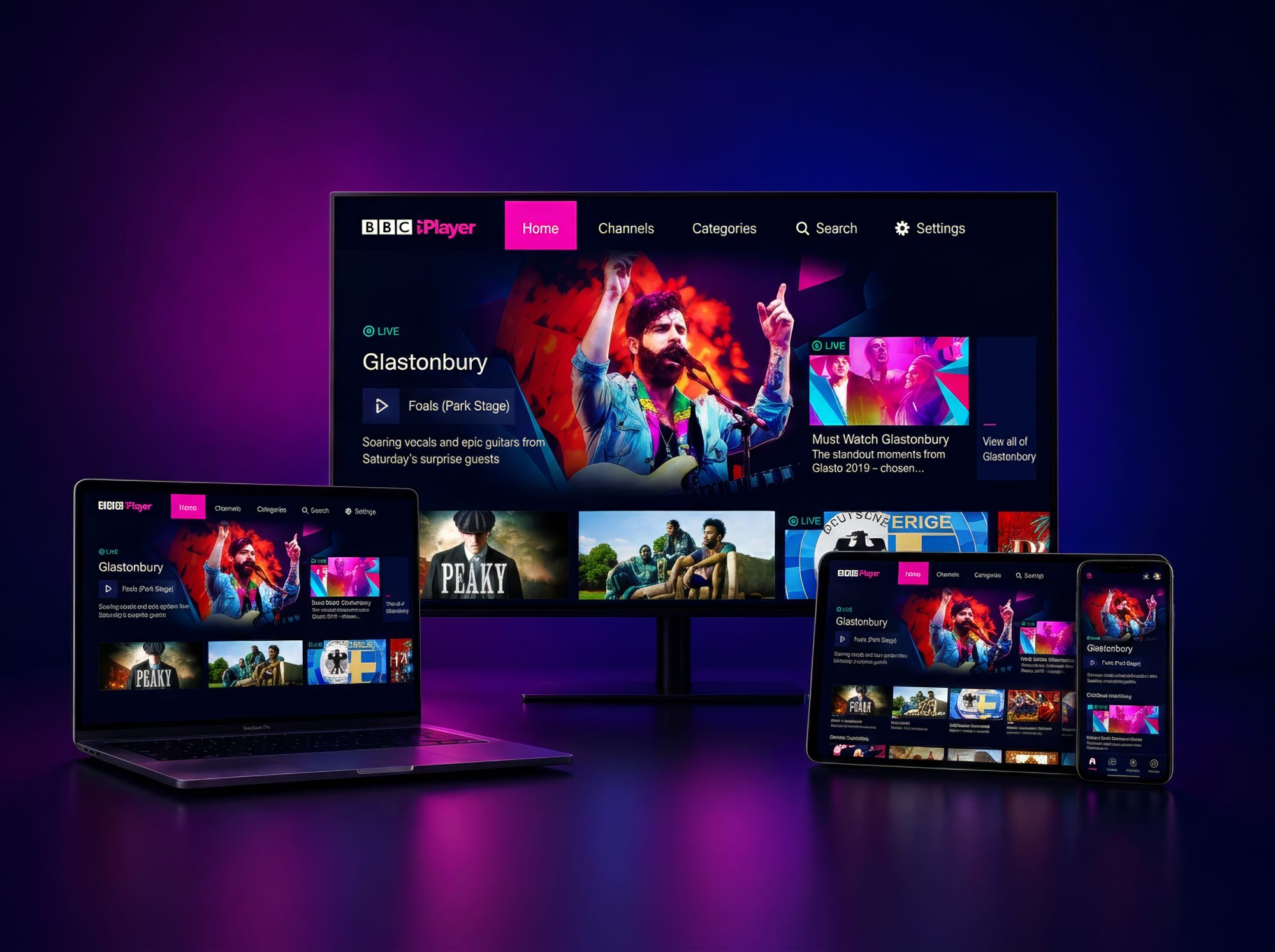
Glastonbury 2019. 21 million people. 243% up on the year before. Changing a flagship product that had never been designed for live events.
Executive Product Manager
- Led a cross-functional team of around 80 across product, design, engineering, data and editorial
- Owned product strategy for live and sport within the iPlayer leadership team
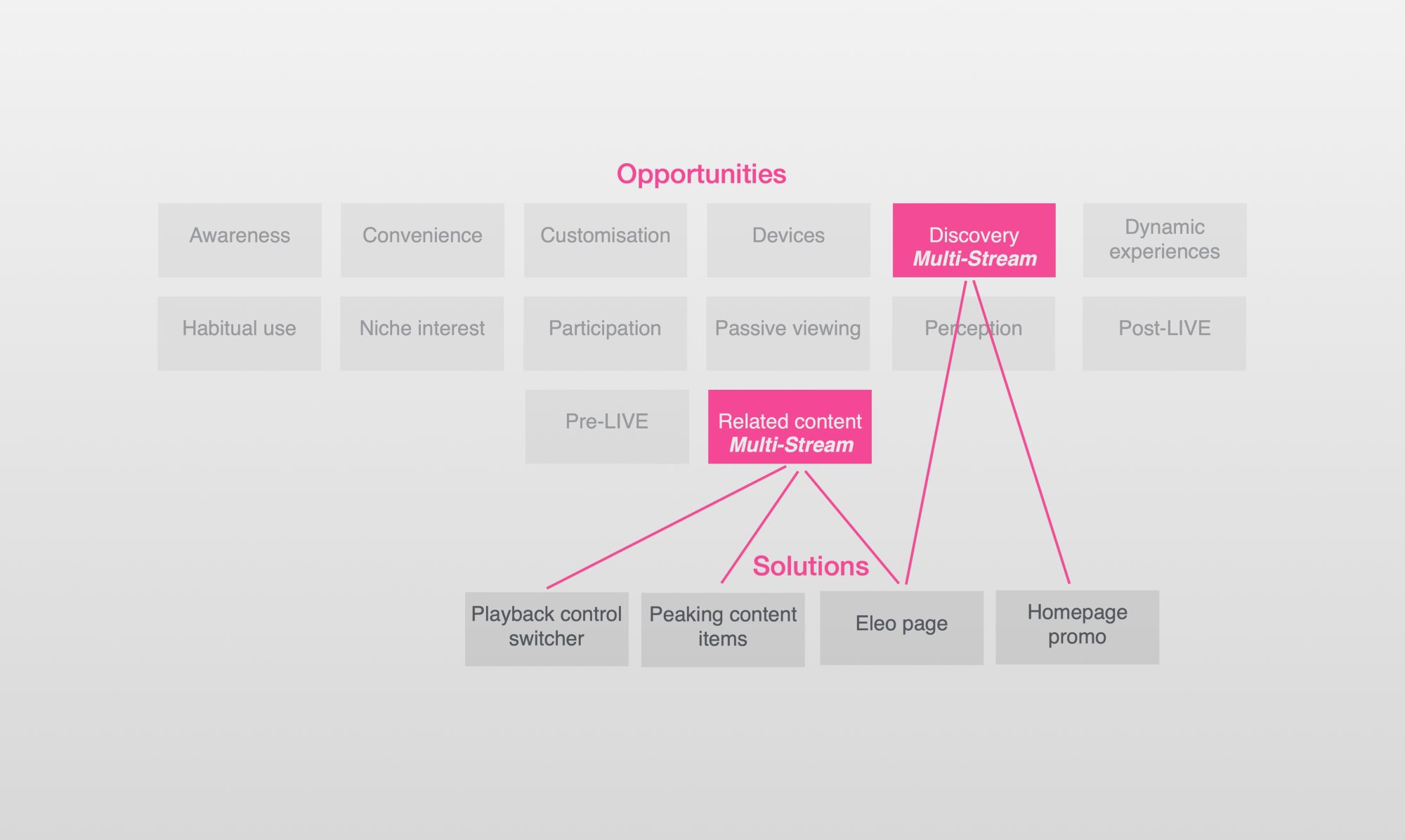
- Set the strategy for multi-stream navigation, archive browsing and contextual editorial
- Navigated stakeholder complexity on one of the BBC's most scrutinised products
The Problem
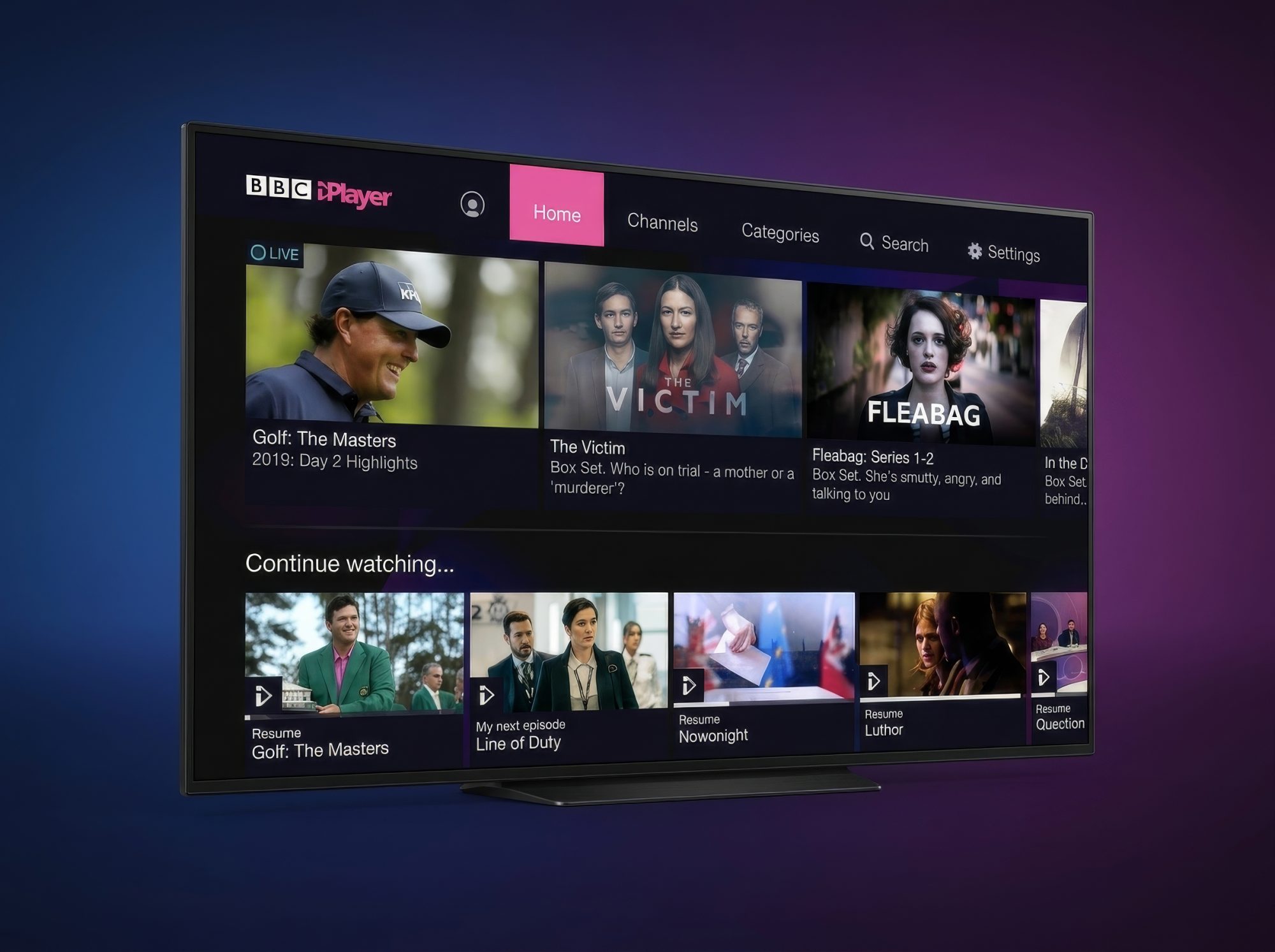
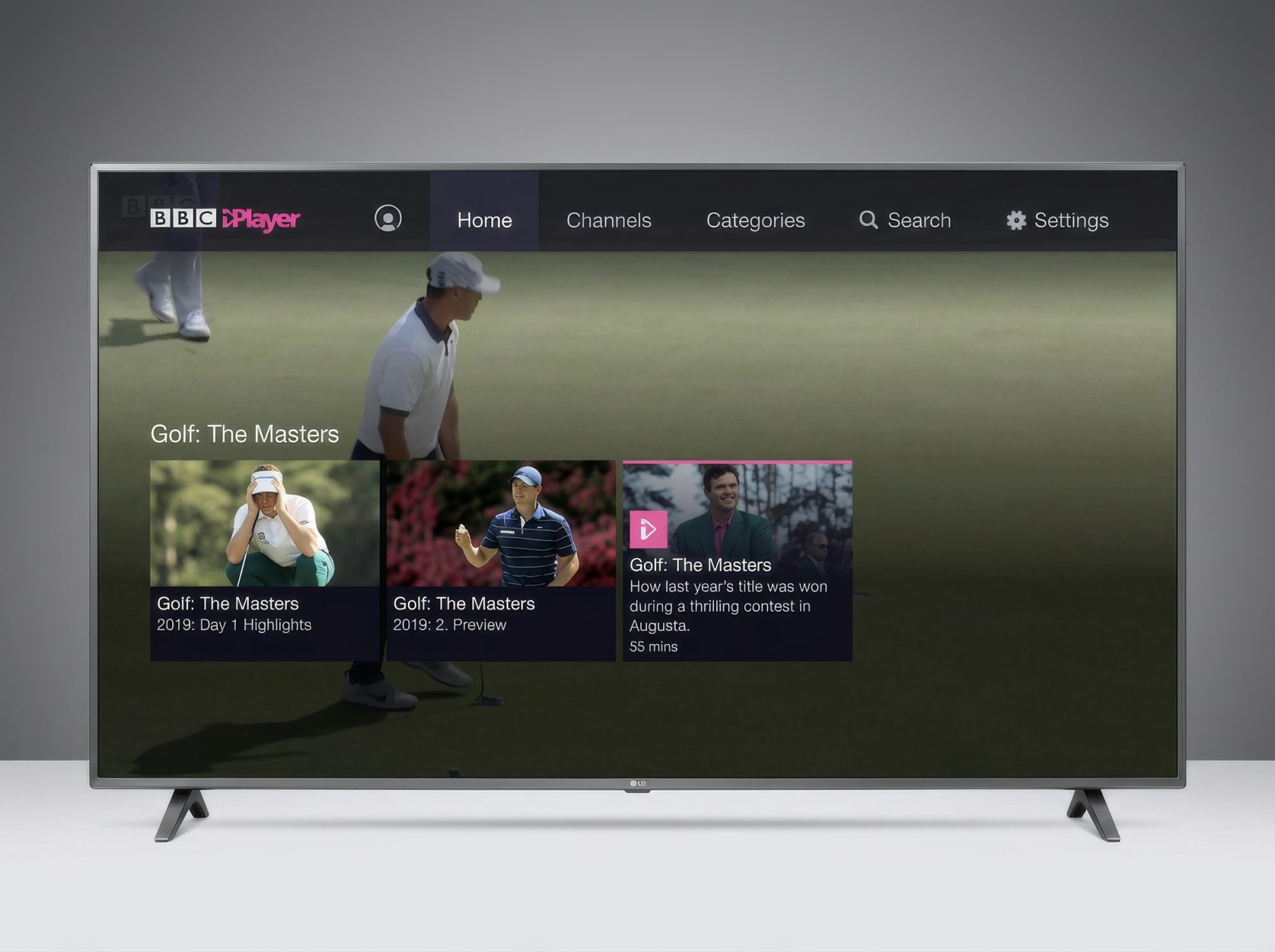
iPlayer was built for catch-up
Before 2019, Glastonbury on iPlayer was a single promo tile. You could watch the main stream if you knew where to look, and navigating to other streams relied upon next up promo items in stream.
Which was understandable, because iPlayer was built for catch-up. You missed something, you went to iPlayer, you watched it. Live didn't fit the original model.
Glastonbury was a flagship BBC moment, but the consumption everyone cared about happened on TV. Digital was secondary, but audiences had started to shift and the platform needed to move with them.
The Insight
People don't want the stream. They want to be there.
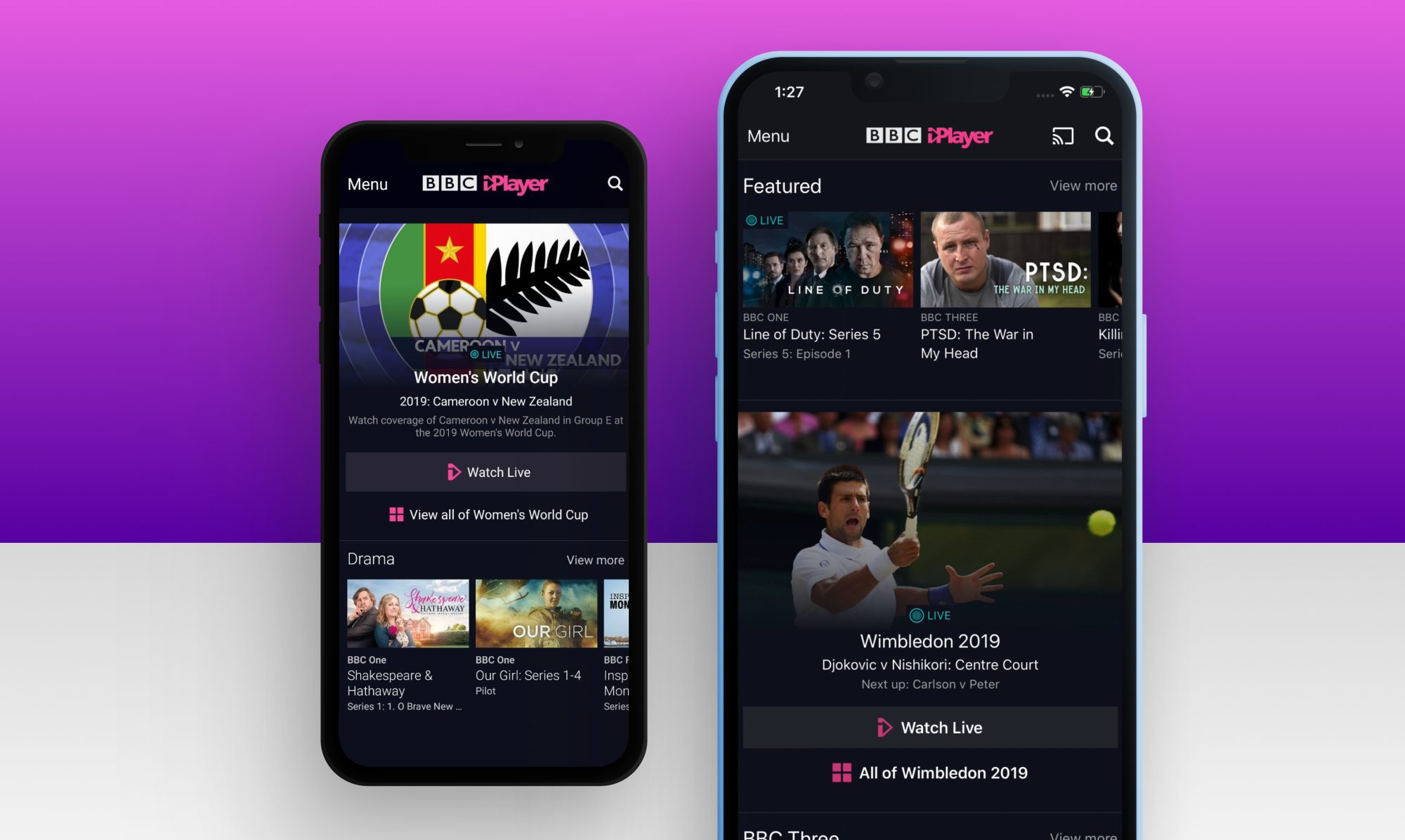
Younger audiences were already watching live events digitally. Glastonbury on a laptop at work. Wimbledon on a phone on the train. But what they were after wasn't just a single video feed.
They wanted to move between stages, go back to the set they missed, see what happened, and feel part of it. They wanted the history, the documentaries about the event; they wanted to immerse themselves in the moment.
We needed to create an event destination and not treat these moments like just a single stream of content.
What we did
Eight weeks and a date that couldn't move
I led a cross-functional team of around 80 across product, design, engineering, data and editorial. Glastonbury doesn't change dates, so the plan and scope have to flex with momentum. We had months of research and planning, plus an initial mockup of how things could work. But we needed everyone in the department to take part, pull those ideas apart to rebuild into something stronger.
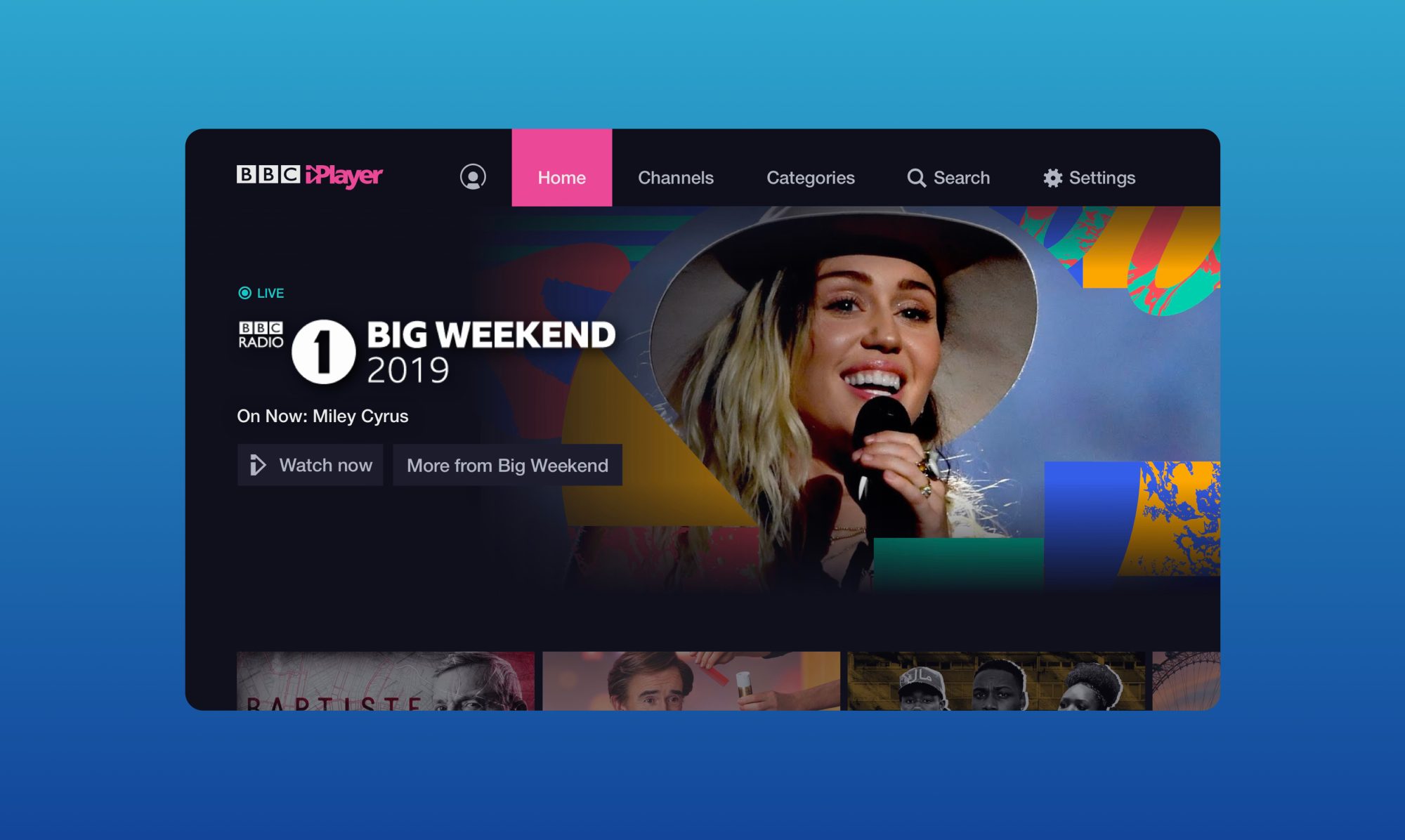
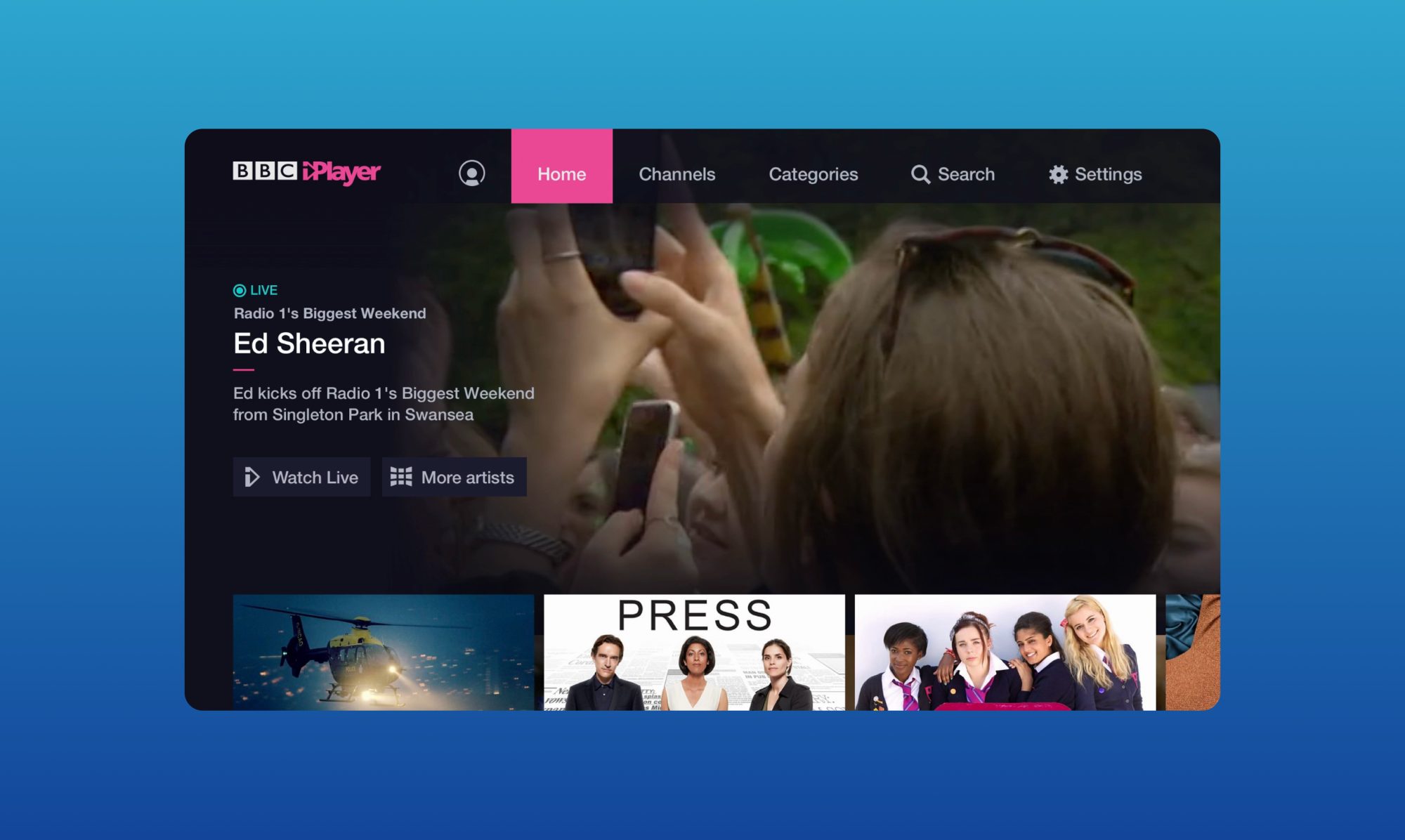
We built a homepage takeover module. Multi-stream navigation so audiences could move between stages. Archive browsing organised by day and artist. Contextual editorial that gave people a reason to come back before, during and after each day. We took the moment and tried to extend beyond each side of it.
Most of the work was making 80 people move as one thing. My job was holding the product standard and negotiating with leadership to park other priorities to make this happen.
We shipped on time, not without the odd stressful moment. Then 21 million people used it and loved it.
What happened
The highest numbers iPlayer had seen for a live event
- 21 million unique users across three days of Glastonbury, the highest at that point in time
- 243% year-on-year increase on iPlayer for the same event
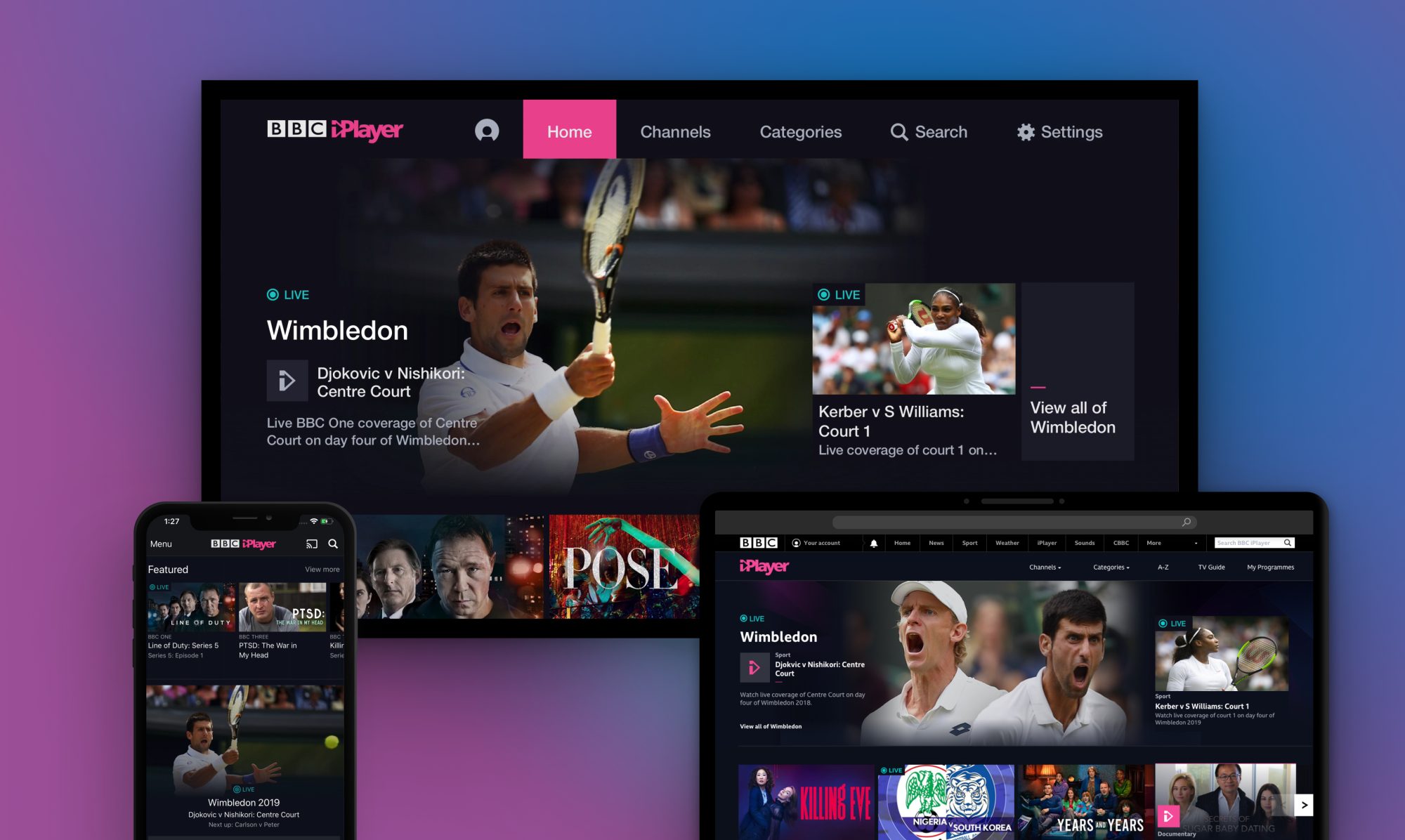
- Wimbledon that summer: over 4 million unique users
- Women's World Cup 2019: record digital audiences
- The patterns became the way moments had focus in iPlayer, reused for later World Cups, Olympics and major drama launches
Why this one's here
Momentum at scale, with a date that can't move
The most publicly visible work I've done, and the clearest example of what getting something off the ground looks like when the team is large, and the deadline doesn't move.
The part I was proudest of wasn't the build turnaround, and let's not forget the months of discovery context; it's that the patterns outlived the event and became how the BBC did live. Eight weeks of work that kept running for years.
Trying to get something off the ground?
Happy to talk it through, even if you're not sure what it is yet.
Get in touch